

Before they drive out to see a flat, buyers use your website to check three things: that the project is registered, what they would actually get, and whether work is on schedule. Show the RERA registration number and a link to your WBRERA page up front, quote carpet area, keep dated progress photos, and make every page quick on a phone with one clear way to book a visit.
What does a buyer check on your project website?
Whether the project is real, what they would get for their money, and whether you will deliver on time. A website that answers those plainly earns the site visit.
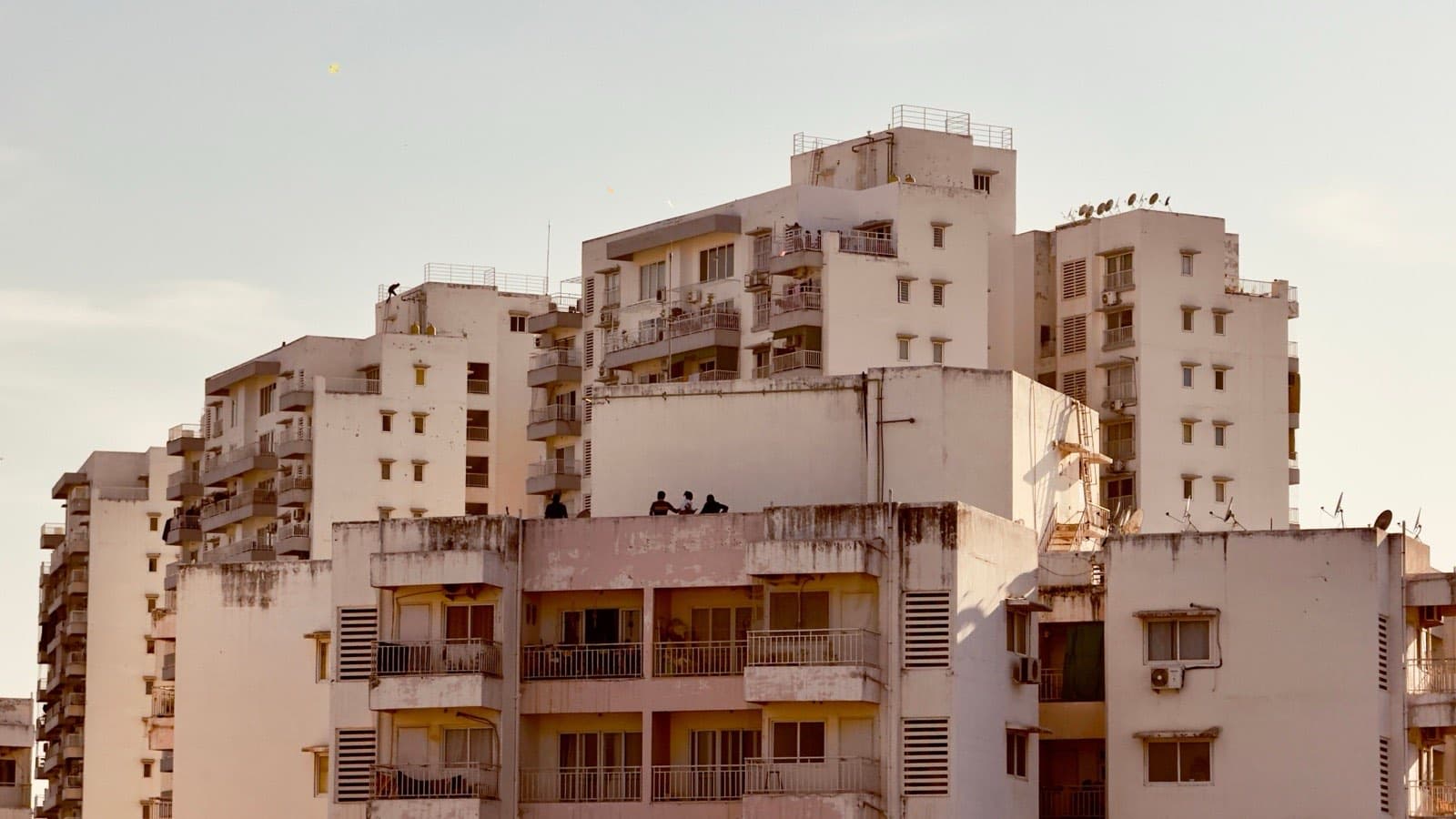
A flat is the largest purchase most families make, so they do their homework. Before a couple in Durgapur or Asansol drives out to see a project, they have usually looked at the website more than once, often late at night on a phone, and often with a parent who wants to see it too.
They aren’t looking for slogans. They want the registration details, the floor plan of the unit they can afford, an honest idea of the price, where exactly the site is, and proof that construction is moving. If something is missing, plenty of buyers simply move on to the next name on their list, or call only to ask what the website should have told them.
This post goes through each of those, with what the law asks for where it applies. It isn’t legal advice, so check the exact wording with your lawyer or with the authority.
Which RERA details belong on the website?
The registration number and the address of the authority’s website, shown prominently, with a link straight to your project’s own page there.
Registering a real estate project with the regulator is compulsory under section 3 of the Real Estate (Regulation and Development) Act [4]. In West Bengal that regulator is the West Bengal Real Estate Regulatory Authority (WBRERA), set up under section 20(1) of the Act [4].
Section 11(2) says an advertisement or prospectus must prominently mention the authority’s website address, where the project’s details are entered, and include the registration number [1]. Your website is where most people meet you first, so treat every project page like an advertisement. Put both in the first screen, not hidden in the footer.
The Act also asks promoters to create a web page for each project on the authority’s website [1]. That page shows the booked units, the approvals taken and still pending, and the status of the work, with updates every quarter [1]. Linking to it from your site costs nothing and tells a buyer you are happy to be checked. WBRERA’s site lists registered projects district by district, including Paschim Bardhaman, with projects registered under HIRA, the state’s earlier housing law, listed separately [4].
If you have already sorted this out for your ads, as in our guide to real estate ads, use the same number and link on the website, so every place a buyer looks says the same thing.
- Is this project registered?Registration number and the authority’s web address in the first screen.
- Can I check it myself?A direct link to the project’s own page on the WBRERA website.
- Are the approvals in place?A short list of approvals received, matching what the authority shows.
- Who is building it?The promoter’s name, earlier projects and how to reach the sales team.
How should you show flats, sizes and prices?
Lead with carpet area, show a clear floor plan for every unit type, and give a price or range a family can plan around.
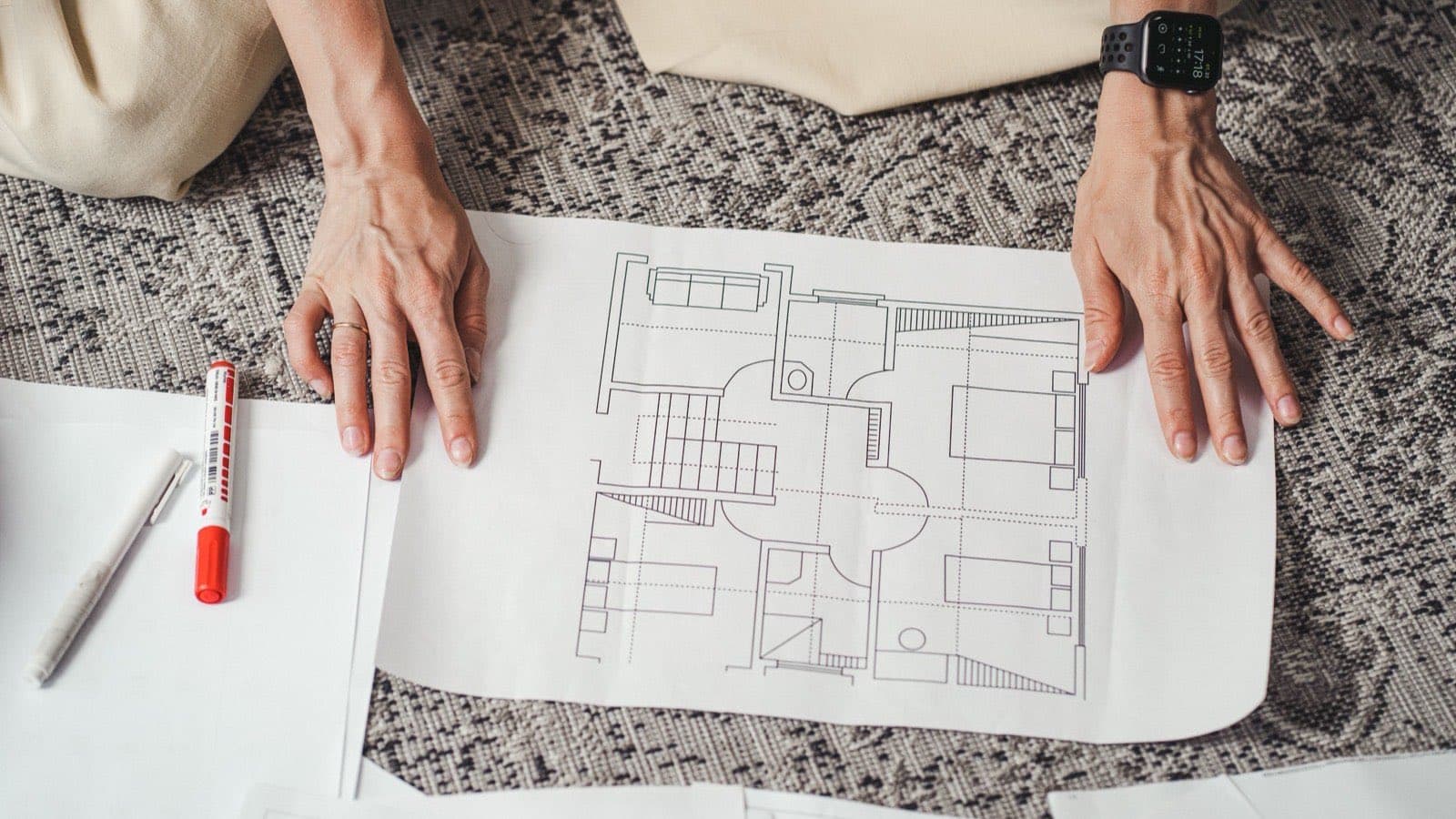
The Act defines carpet area as the net usable floor area of an apartment [2]. It leaves out the external walls, service shafts and any exclusive balcony, verandah or open terrace, but it includes the internal partition walls [2]. Quote carpet area first for every unit type. If you also show balcony or terrace areas, label them separately, so nobody feels misled when they read the agreement.
Give every unit type its own page or section with the floor plan, the carpet area, the facing and the floors where it is available. Write those facts as text on the page, not only inside the image. Google calls alt text the most important attribute for telling it about an image [6], so describe each plan in a sentence as well. That also helps a buyer on a slow connection who is still waiting for the picture to load.
On price, families compare carefully. A starting price or a range, plus a plain list of what costs extra, such as parking, maintenance deposits and registration charges, saves your team a lot of calls that end with “too expensive”.
Accuracy matters here more than anywhere. Under section 12, if someone pays an advance or deposit relying on an advertisement, a prospectus or a model apartment, and loses out because the information was false, the promoter must compensate them, and a buyer who withdraws is entitled to the full amount back with interest, plus compensation [3]. Mark renders as artist’s impressions, and update the site the day a plan or specification changes.
How do you show construction progress honestly?
With dated photos and a short written update on a regular schedule, matching what you report to the authority.
Buyers of under-construction flats worry most about delays. A gallery of polished renders does nothing for that worry. A page of real site photos, each with the date it was taken and a line on what was done, does.
You already prepare quarterly updates on the status of the work for your project page on the authority’s website [1]. Use the same schedule on your own site, so the two never contradict each other. If a stage runs late, say so and give the new expected date. Buyers forgive a delay they were told about far more easily than one they discover on a visit.
A progress page also gives returning visitors a reason to come back, and gives your sales team something fresh to share with every enquiry on WhatsApp.
- ShootPhotograph the same views of the site each time, from the same spots.
- DateAdd the date and one line on the work completed since the last update.
- MatchCheck it agrees with the status on your authority project page.
- SharePost it on the site, then send the link to buyers and open enquiries.
Why do speed and the phone layout matter so much?
Many buyers first see your site on a phone, often on a patchy connection. If the page is slow or jumps around while it loads, they leave before seeing the flat.
Google’s Core Web Vitals give three clear targets: the main content should load within 2.5 seconds, the page should respond to a tap within 200 milliseconds, and the layout shift score should stay at 0.1 or less [5]. Google suggests measuring them at the 75th percentile of page loads, separately for mobile and desktop [5].
Property sites tend to miss these for the same reasons: huge render images, a video that plays automatically at the top, and a brochure that only exists as a heavy PDF. Google notes that images are often the largest contributor to a page’s size [6]. Compress them, serve smaller versions to phones, and put the brochure’s content on the page as text, with the PDF as an optional download.
Our website service builds project pages around these targets, the way we rebuilt the BHES website with per-page SEO. Our SEO, AEO and GEO service then makes sure the facts on them are what Google and AI assistants find when someone looks for flats in Durgapur or Asansol.
How should the website turn interest into a site visit?
Give every page one clear next step, booking a site visit, and offer WhatsApp or a call for people who would rather ask a question first.
Put a “Book a site visit” button on every unit page, with a short form: name, phone number, preferred day and the unit type they like. Every extra field gives a hesitant buyer a reason to stop.
Some buyers want to ask something before they commit to a visit. A click to chat link opens a WhatsApp conversation with your number without the buyer saving it first, and it can carry a ready-typed first message [7]. Set a different starting message on each unit page, naming that unit type, so your team knows the context at once.
Then the enquiry needs fast, consistent follow-up. The habits we built for PN Das Academy of Nursing, where every inbound enquiry now gets followed up, carry over well to a sales team handling site-visit requests. Our lead intelligence service sets that up, and our conversion and AI automation service handles the WhatsApp side.
- FindThe buyer finds the project through Google, an ad or a friend.
- CheckThey look at the registration, floor plans, prices and progress.
- AskOne tap opens WhatsApp with the unit type already typed.
- VisitThey pick a day and your team confirms it quickly.
A checklist for your project website
Go through this with your sales head and whoever updates the site. Most items take an afternoon.
If you would like a second pair of eyes, book a call and we will go through your project pages with you.
- Registration number and the WBRERA web address in the first screen of every project page.
- A link to the project’s own page on the authority’s website.
- Carpet area first for every unit type, with balcony and terrace areas labelled separately.
- A floor plan and a written description for every unit type.
- A starting price or range, and a plain list of extra charges.
- Renders marked as artist’s impressions, and dated construction photos on a progress page.
- Quick on a phone: compressed images, no autoplaying video, brochure content as text.
- A “Book a site visit” button and a WhatsApp link on every unit page.
FAQ
Does our website need the RERA number if it isn’t an ad?
Treat it as one. Buyers use your website the way they use an ad, to decide whether to visit, and section 11(2) covers advertisements and prospectuses [1]. Showing the number and the authority’s web address prominently is the safe course, and your lawyer can confirm the exact format.
Should we show prices on the website?
Where you can, yes. A starting price or range with the extra charges listed helps buyers decide whether to visit, and saves your team calls from people the flat doesn’t suit. If prices change often, show a range and the date it was last updated.
Can we use render images?
Yes, as long as they are clearly marked as artist’s impressions. Put real, dated site photos next to them so buyers can see where construction actually stands.
Is a PDF brochure enough on its own?
No. A PDF is slow to open on a phone and hard to read on a small screen. Put the key facts on the page as text and offer the brochure as an optional download.
How often should we update the progress page?
At least as often as your updates to the authority, which the Act asks for every quarter [1]. While construction is moving fast, monthly photos give buyers more confidence.
Sources
- Section 11 in the Real Estate (Regulation and Development) Act, 2016, Indian Kanoon
- Section 2 in the Real Estate (Regulation and Development) Act, 2016, Indian Kanoon
- Section 12 in the Real Estate (Regulation and Development) Act, 2016, Indian Kanoon
- West Bengal Real Estate Regulatory Authority, WBRERA
- Web Vitals, web.dev (Google)
- Google image SEO best practices, Google Search Central
- How to use click to chat, WhatsApp Help Center
How this article was made: researched and written by Ritam Ghosh of RIGZZ GROWTH, Asansol, with AI assistance, from the sources listed above. Every figure links to its source. Spotted something wrong? Email admin@rigzz.com and we'll correct it.